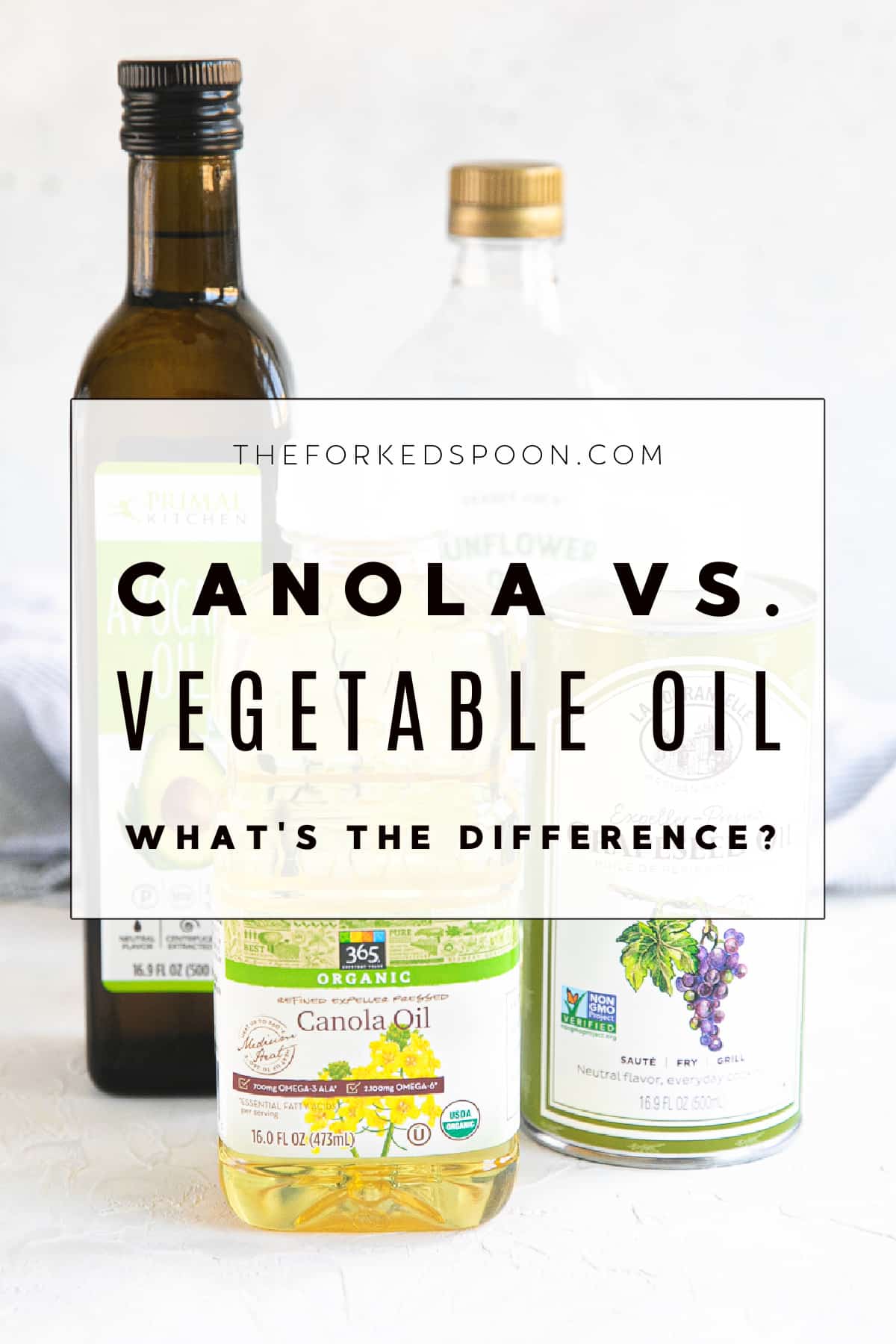
Canola Oil Vs Vegetable Oil. Both vegetable oil and canola oil have a relatively high smoke point. Though canola oil is derived.
Canola Oil Vs. Vegetable Oil: What's The Difference? - The Forked Spoon from theforkedspoon.com
Canola oil constitutes more omega 6 and omega 3 fatty acids than vegetable oil in the perfect ratio. Canola oil has the lowest level of saturated fat. It tends to have a higher proportion of saturated fat than canola oil, but because the ingredients used to make vegetable oil vary from brand to brand, their nutritional content varies.
Canola Oil Is Generally Believed To Be A Healthier Option Than Vegetable.
Here is the short explanation: At first glance, you may not that their nutrition info looks very similar. Pure rapeseed oil contains 43% erucic acid, whereas canola oil contains under 2%, making it safe for human consumption.
The Rapeseed Is Cultivated To Be.
If a recipe calls for canola oil, use vegetable oil in equal amounts, and vice versa. Learn the difference between canola oil and vegetable oil. Avocado oil, sesame oil, coconut oil, or extra.
The Oil Contains Only 1 Gram Of Saturated Fat.
This means that you can use vegetable and canola oil for just about anything in the kitchen: The difference between canola oil and vegetable oil becomes more apparent. Oils are very high in calories and a good source of energy.
Canola Oil Has A Neutral Taste Which Makes It Perfect For Use In.
Canola oil and vegetable oil. These types of fats promote good heart health, skin, hair and even mood hormones. Both vegetable oil and canola oil have a relatively high smoke point.
Canola Oil Has A Smoking Point Of 399.2°F Or 204°C.
Canola oil has a smoke point of 400 degrees f, and vegetable oil (when made from corn or soybeans) can reach 450 degrees f. Olive, coconut, canola, and vegetable oils each provide the same number of calories per tablespoon. But while canola oil is technically a vegetable oil, it has a higher ratio of.